

I’ve spent more than ten years working in residential plumbing and water treatment, mostly in homes on municipal water but with plenty of time on private wells as well. Rusty or orange stains are one of those problems that homeowners notice long before they understand what’s happening—often after reading general explanations on sites like https://www.waterwizards.ai/blog. By the time I’m called, the stains have usually spread from a sink or toilet to towels, tubs, and even laundry. The frustration is real, especially when regular cleaning barely makes a dent.
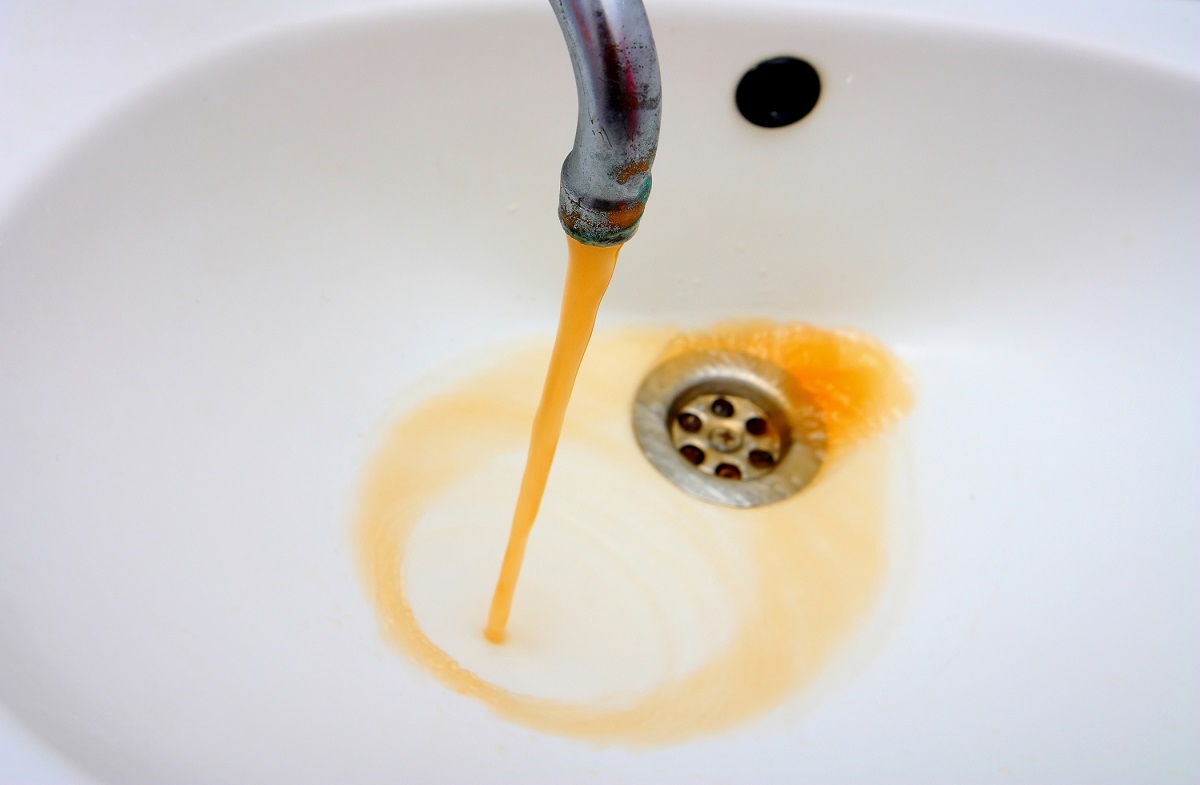
I once worked with a homeowner who thought their kids were leaving dirty handprints all over the bathroom sink. The stains kept coming back no matter how often they cleaned. The water itself was carrying iron, and every use was adding another invisible layer.
Where orange stains actually come from
Most orange or rust-colored stains are caused by iron in the water. When iron is exposed to oxygen, it oxidizes and leaves behind that familiar reddish-brown residue. In well systems, iron is common and expected. In city water homes, it often shows up when older iron pipes corrode from the inside.
I’ve seen cases where the water runs clear until it sits for a few seconds, then slowly turns yellow. That’s a classic sign of dissolved iron reacting with air. In other homes, stains appear only on hot water fixtures, pointing to corrosion inside the water heater rather than the supply line.
Why stains show up on fixtures and fabrics
Iron doesn’t just discolor water—it clings to surfaces. Porcelain, fiberglass, and grout are especially good at trapping it. Once those pores fill, normal cleaners struggle to remove the stain completely.
Laundry is often the breaking point. A customer last spring called me after white clothes came out of the wash with orange streaks. The washing machine wasn’t broken. The iron was bonding with fabric fibers during the wash cycle, making the stains nearly permanent.
Cleaning helps, but only temporarily
Specialty iron stain removers can lighten or remove visible stains. I’ve used them myself with mixed results. The problem is that cleaning treats the symptom, not the cause. If iron is still in the water, stains come back.
I’ve also seen people damage fixtures by scrubbing too aggressively. Harsh abrasives roughen the surface, giving iron even more places to latch on next time.
What actually stops iron staining
The real solution depends on where the iron is coming from. In well systems, iron filtration or oxidation-based treatment usually works well. I’ve installed systems that turned heavily stained bathrooms into low-maintenance spaces within weeks.
In city water homes, the fix can be simpler. Sometimes replacing old sections of iron pipe or addressing a deteriorating water heater solves the problem. I’ve pulled heaters that were shedding rust internally, staining every hot-water fixture downstream.
Point-of-use filters can help in mild cases, but they clog quickly when iron levels are high. I’ve seen homeowners burn through cartridges in a matter of weeks, not realizing why.
Mistakes I see people make
One common mistake is assuming the stains mean the water is unsafe. Iron is more of a nuisance than a health threat in most residential cases. Another mistake is chasing cosmetic fixes—new fixtures, new toilets, new sinks—without addressing the water chemistry or plumbing materials behind the problem.
People also wait too long. Iron stains get harder to remove the longer they sit, especially on porous surfaces.
Reading the stains for what they are
Rusty or orange stains are your home’s way of pointing to a source problem. They’re inconvenient and unsightly, but they’re also useful clues. Once the iron is dealt with at the source, the constant cleaning stops, fixtures stay brighter, and laundry no longer feels like a gamble. The water goes back to being something you use, not something you have to fight.